
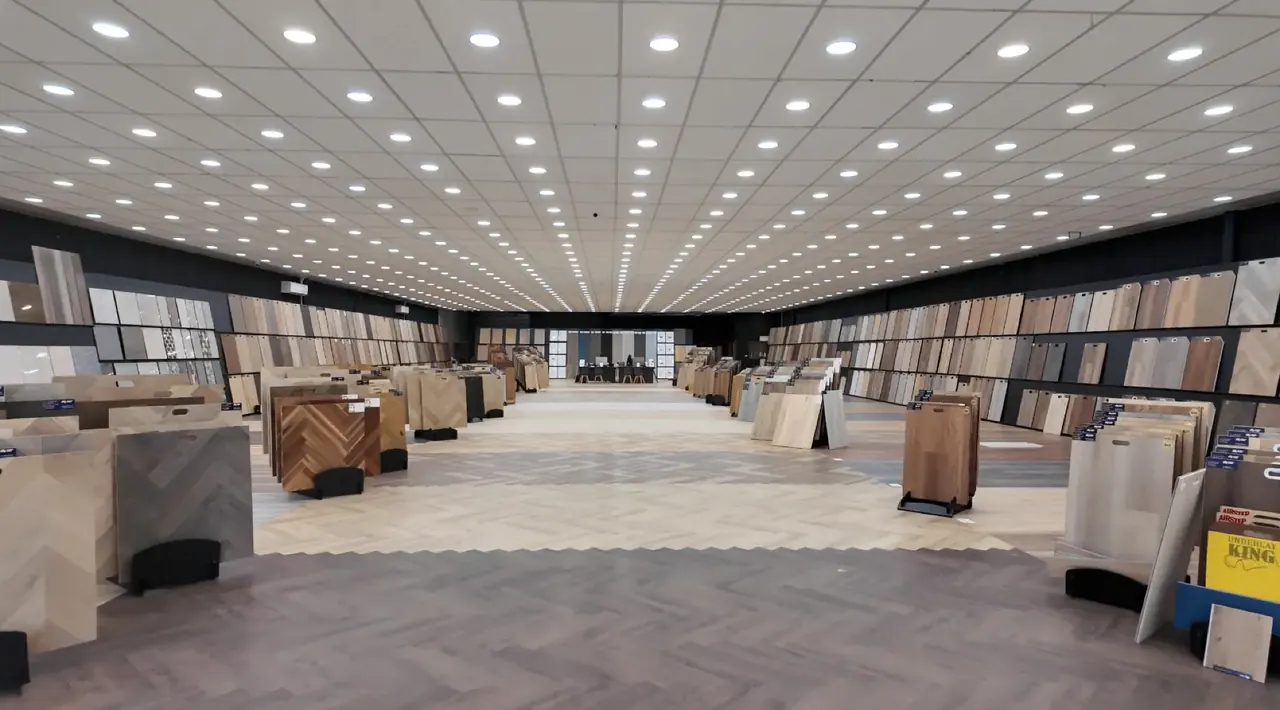
If you've been browsing flooring businesses for sale in Melbourne or regional Victoria, you'll have seen trading stores offered with stock, vans and a team. Buying one is a real way into the trade, but it's one of three. You can also buy an existing franchise from its owner (a resale), or open a new franchise showroom in an open territory. This guide compares all three fairly and sets out what to check before you commit.
The short version. A trading flooring business comes with customers, staff and a site from day one, and with its history: the lease, staff entitlements, stock, open jobs and reputation. Check all of it with an accountant and a lawyer. An existing franchise adds the franchisor's consent, the Franchising Code's documents and a cooling-off period that can end the day you take control. A new franchise showroom starts clean, but with no customers of your own.
This is general information, not legal or financial advice.
Existing business, resale or new franchise: how do they compare?
All three can lead to a well-run showroom. What differs is what you inherit, who has to say yes and what you start with.
| Factor | Buy an existing business | Buy an existing franchise | Open a new franchise |
|---|---|---|---|
| Customers on day one | The seller's, if they stay | The seller's, under the brand | None of your own yet |
| What you take on | Assets, stock, goodwill, staff and the lease | The same, plus the rest of the franchise term | A new agreement and a new site |
| Who has to agree | The landlord | The franchisor and the landlord | The franchisor and your new landlord |
| Site and fit-out | As it is | As it is, plus any work the franchisor requires | Chosen with the franchisor, fitted out new |
| Past jobs and callbacks | To agree with the seller | To agree with the seller | None |
| Training and systems | A handover, if agreed | The franchisor's system and support | Training before you open, then ongoing support |
| Franchising Code cooling-off | Doesn't apply | Ends after 14 days, or when you take control if sooner | 14 days after you sign |
| Ongoing franchise fees | None | Yes | Yes |
What should you check before buying a flooring business for sale?
The government's business.gov.au sets out six steps for buying an existing business: check you're ready, find the right business, research it, value it, do your due diligence and make an offer. Due diligence is most of the work, so get an accountant on the finances and a lawyer on the contract.
Financial records and the reason for sale
Ask for three to five years of records, as business.gov.au suggests, including tax returns, business activity statements, profit and loss records, cash flow statements and sales records. Ask why the owner is selling, and be wary if they won't say. Business Victoria suggests asking to work in the business before you sign a binding contract, or at least before settlement. Search the Personal Property Securities Register for money owed on vans and equipment.
The lease
In Victoria, a retail lease is transferred (assigned) under the Retail Leases Act 2003, and the landlord must consent. The Victorian Small Business Commission says a landlord can refuse only on set grounds, such as a use the lease doesn't permit, or the landlord considering you lack the financial resources or business experience. When a business is sold, the seller must give you a disclosure statement and the business's records for the past three years. Then check the years left, any options to renew and the rent reviews ahead.
Staff and installers
If staff stay on, the Fair Work Ombudsman says the new employer must recognise their past service for most entitlements, such as sick and carer's leave. Annual leave is either carried across or, if you don't recognise past service, paid out by the seller. In Victoria, the new owner also takes on long service leave for each employee's whole period of employment, whatever the sale contract says, so have entitlements assessed and deducted from the price, as Business Victoria suggests. If the installers are subcontractors, ask whether they'll keep working for you.
Stock and supplier accounts
Flooring stock can mean rolls of carpet, offcuts, discontinued ranges, sample boards and displays. Listings often say "plus SAV" (stock at valuation): stock is counted close to settlement and paid for on top of the price. Agree how it's counted and valued, whether you'll pay for slow-moving or damaged lines, and whether any displays belong to suppliers. Ask which supplier accounts and credit terms carry over. Business Victoria warns about sellers who won't introduce you to suppliers.
Open jobs, warranties and callbacks
There's usually work in progress: measures booked, quotes out, deposits paid and installs scheduled. List every job, and agree who does the work and who keeps each deposit. For work already done, services come with consumer guarantees under the Australian Consumer Law, including due care and skill, so if an old floor needs fixing, the customer is likely to call the shop. As business.gov.au suggests, ask what refunds and warranties are still open, and agree who handles those callbacks, and who pays.
Reputation and goodwill
Goodwill, says business.gov.au, can include customer loyalty, brand recognition, staff performance, customer lists and reputation. Business Victoria warns that the previous owner leaving can hurt the business, so ask how much work comes through the owner personally, from builders, property managers or repeat customers, and whether they'll stay for a handover. Read the online reviews, which stay with the name. Ask your lawyer about a restraint of trade clause, which stops the seller running a similar business nearby for a set time.
What changes when you buy an existing franchise?
A franchise resale is a trading business too, so every check above applies. The Franchising Code adds its own rules:
- The franchisor must consent. According to the ACCC, it can't refuse unreasonably, but it can if you don't meet its selection criteria, or if the seller is in breach or owes it money.
- You get the full set of documents. The information statement, the disclosure document, the franchise agreement and a copy of the Code, with the same 14-day wait before signing.
- You buy what's left of the term. You take over the current agreement or sign a new one for the rest of its term. As the ACCC explains, what's really being sold is the right to trade under the brand.
- Cooling-off can be shorter. You can end a transferred agreement in writing within 14 days of becoming the franchisee, or by the day you take control, whichever comes first.
You also inherit the seller's site, team and reputation. Our Franchising Code guide covers disclosure, cooling-off and renewal in more detail.
What does opening a new franchise showroom involve?
At National Floors, the open territories are for new showrooms, in towns where we don't trade yet. Each comes with:
- A site chosen together. We find and assess it with you, then fit it out to our tested design.
- Training before you open. Three months on the floor of our trading showrooms, plus 10+ hours of video training and 100+ pages of written procedures.
- A launch. A grand-opening campaign planned and run with you, plus $500K a year in national marketing across the network.
- Your own area. An exclusive territory of roughly a 60-minute drive, set out in your franchise agreement.
- Nothing inherited. No old jobs, no callbacks on someone else's work and no one else's reviews.
The investment starts from $395,000 + GST, covering the fit-out, opening stock, three months of training and launch marketing, and a 14-day cooling-off period applies after you sign. Our guide to what a flooring franchise costs covers the fees.
The trade-off: you open with no customers of your own, and setting up takes time, as how long it takes to open a flooring showroom explains.
Should you buy an existing business or open a new franchise?
It comes down to what you want on day one. A trading business brings customers and a history; a new showroom brings neither. An independent store leans on what you know, while a franchise trains you: 70% of our successful managers came from other industries. Both franchise routes give you a brand and a system, in return for ongoing fees.
Still weighing up franchise against independent? See franchise vs independent flooring stores. If a new showroom appeals, browse the open territories, from Ballarat to Shepparton.
Questions
Does the Franchising Code apply when you buy an existing franchise?
Yes. The franchisor must consent and give you the documents at least 14 days before you sign. Your cooling-off period ends 14 days after you become the franchisee, or on the day you take control if that's sooner.
Can a landlord refuse to transfer a lease when you buy a business?
For a Victorian retail lease, only on grounds in the Retail Leases Act 2003, such as a use the lease doesn't permit, or the landlord considering you lack the financial resources or business experience. If the seller has met the Act's requirements and the landlord hasn't replied in writing within 28 days, consent is taken to be given.
Are National Floors territories new showrooms or existing businesses?
New showrooms. In each open territory, we find the site with you, fit it out to our tested design and train you for three months before you open. Check whether your area is open.
Sources
- business.gov.au: Buy an existing business
- business.gov.au: Value your business
- Business Victoria: Assess a business before you buy it
- Business Victoria: Buy an existing business
- Victorian Small Business Commission: Transfer of a retail lease premises
- Fair Work Ombudsman: Employee entitlements on a transfer of business
- Business Victoria: Long service leave, change of employer
- Wise: SAV (stock at valuation) explained
- ACCC: Consumer rights and guarantees
- ACCC: Selling or transferring a franchise agreement
- ACCC: Information and document obligations
- ACCC: Ending a franchise agreement
- National Floors: the franchise opportunity